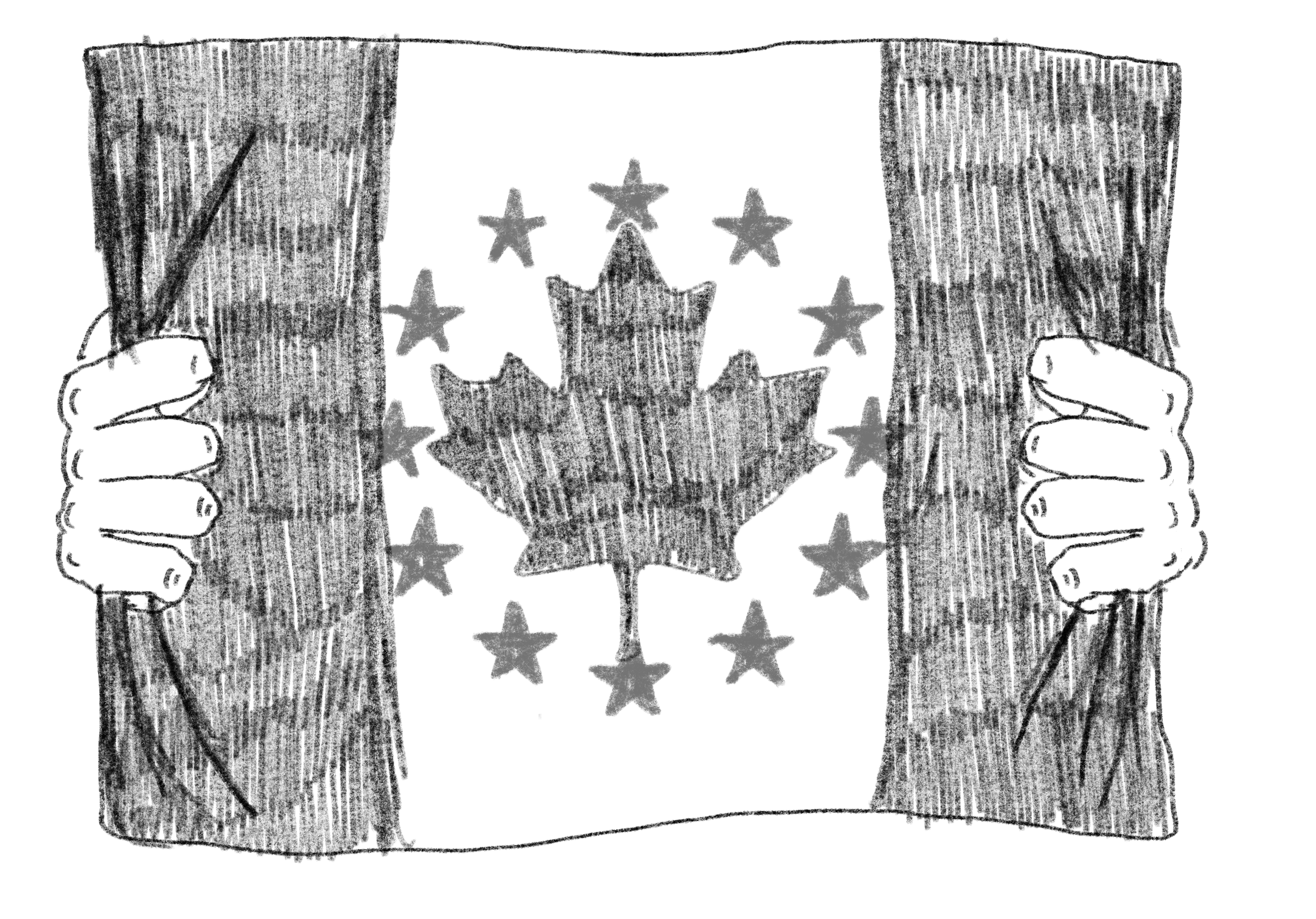
Mark Carney is seeking new suitors for trade and partnership opportunities. This September he delivered a speech to the European parliament in Strasbourg, France. The main theme of the speech was how the roots of Canada and Europe have long since been intertwined. A poignant analogy utilized is that of the Canadian soldier who came back to Canada from the battle of Vimy ridge with a bundle of acorns, which produced an oak forest in Ontario. Those oaks, fully grown, were repatriated back to France where they sit at their origin, their roots once twisting their way through Canadian soil now 109 years later in Vimy ridge.
The best meat on the bone, however, was Carney’s stress on focusing forward. After all, what is more important than what is next for this relationship? While Canada has had a trade agreement, CETA, with the EU since 2017, both parties are looking for a little bit more. What was proposed by both Carney during his speech and European Commission President Ursula von der Leyen that same day, was an “associate membership” for Canada, a first of its kind. The specifics are unclear, but an upcoming summit in Montreal between Carney and EU leaders will hopefully bring some definition to the table.
Nevertheless, it is apparent what everyone's goals are for this next step in the relationship. Most eye catching for a student like myself was potential opportunities in study, and work. The ambitions for that element are found in a joint statement draft from both parties:
“Canada will launch negotiations toward participation in Erasmus+, the European Union's flagship education and mobility programme. This will expand opportunities for students,researchers, educators and young people to gain international experience and build lasting institutional partnerships.”
Erasmus+ is a program that's run for over 30 years and runs on seven year cycles, the current being 2021-2027. The program's aim is to allow people to study, work and train at institutions across Europe for up to a year. This latest cycle included investment of CAD 45 billion and includes all 27 EU member states, as well as Norway, Iceland, Liechtenstein, Serbia, Turkey, North Macedonia and the U.K.
Canada's participation in this program sounds great for Canadian students and institutions. Universities can have brand new cohorts of international students, which can help boost funding that dwindled in the past few years. But more importantly, I want to know what I can get out of this. I reached out to various UBC staff, and received a comment from Damara Klaassen, Executive Director, International Student Initiative.
Unfortunately, her response did not include any plans for expanding the university's reach with this news. Klaassen merely highlighted the already existing ties the university has with EU countries and active Erasmus+ institutions.
While it does seem like a valuable initiative for Canada to take part in, there are valid concerns pertaining to an excess of domestic labour flight. If the barriers for most young people are lifted and a large portion of them seek to take advantage of the program, what will that result in back in Canada? Optimistically, it would diversify the applicant pool, as we would expect plenty of people to leave, it could also mean that an equal or greater number of potential workers will arrive.
However, Canada has a population that is less than 10% of the population of all EU countries combined. If just half a percent of the population of the EU came to Canada for work or study, that would be 2.26 million people.
A more pressing problem that is illustrated with those numbers is what it could mean for those who are not able to take advantage of the program and look for work in the EU. There could be wild additions to competition for entry level roles, which could really overwhelm the unemployed pool of the population.
This limited glance at the potential of this program proves to be a great addition to Canada’s future, it might also mean that successful implementation of it is many years away. Indicators of how long till it is implemented will hopefully come out of the EU Summit in Montreal on October 29th. Lets hope it does not take as long as those oaks arriving at Vimy Ridge.