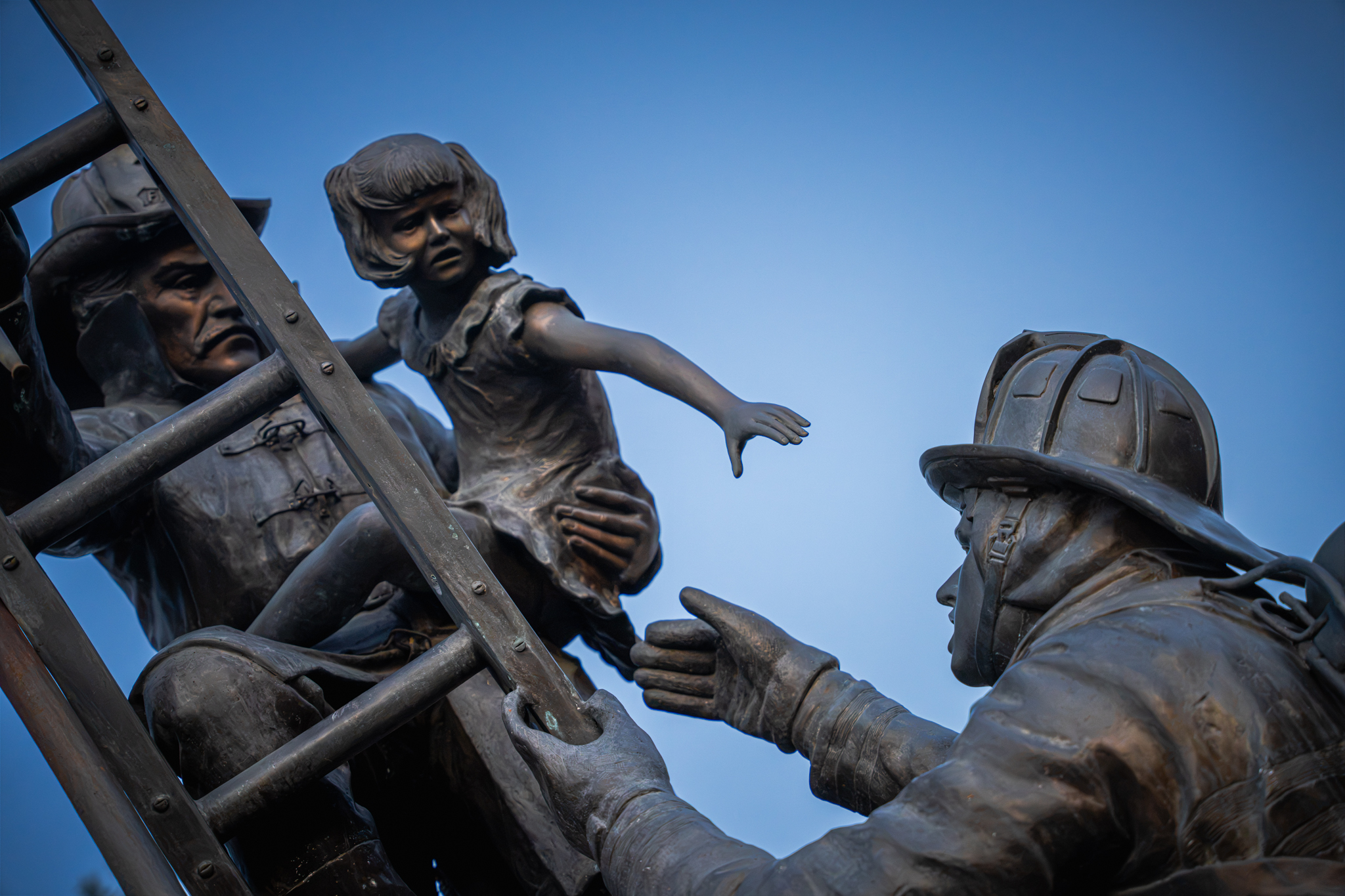
September 11th marked not only the deadliest terrorist attack in American history, but also a unified and compassionate Canadian response, most notably in Gander, Newfoundland. As American airspace shut down on 9/11, Canada’s initiation of Operation Yellow Ribbon allowed over 225 planes to land safely at 17 airports across the country. On the east coast, the majority landed in Halifax, St. John’s and, famously, the small town of Gander.
Those old enough to remember September 11th, 2001, often recall where they were or what they were doing when they heard the news that a plane had crashed into the North Tower of the World Trade Centre. Many watched in horror as various news outlets broadcast live footage of a second plane colliding with the South Tower, and 56 minutes later, as the tower completely collapsed.
Almost 3000 people, including 24 Canadians, were killed as a result of the attacks on 9/11. In the 25 years since, over 4000 survivors and first responders have died as a result of toxic exposure during the attack and the subsequent cleanup project.
In Canada, the Prime Minister at the time of 9/11, Jean Chrétien, spoke at the 25th Anniversary of 9/11 Commemoration Service in Gander, N.L. The small town, home to Gander International Airport, played a key role in Canada’s immediate response to 9/11. When the Federal Aviation Administration ordered a complete shutdown of American airspace for the first and only time in American history, it presented a problem for numerous transatlantic and transpacific flights too far into their journey to turn around.
As the United States’ neighbour and closest ally, Canada launched Operation Yellow Ribbon. The subsequent influx of over 33,000 unexpected passengers to Canadian airports required a miracle of scrambled organization and selflessness by airport staff and ordinary citizens.2 The case of Gander was especially heroic, as the town of only 10,000 people welcomed over 6,500 passengers on 38 planes and kept them fed, clothed and housed for several days as American airspace gradually reopened. For the past 25 years, Gander residents’ kind actions during such a harrowing disaster have been referred to as a prime example of Canadian generosity. During his speech in Gander, 92-year-old Chrétien described the people of Gander’s actions as “the Canadian way.”
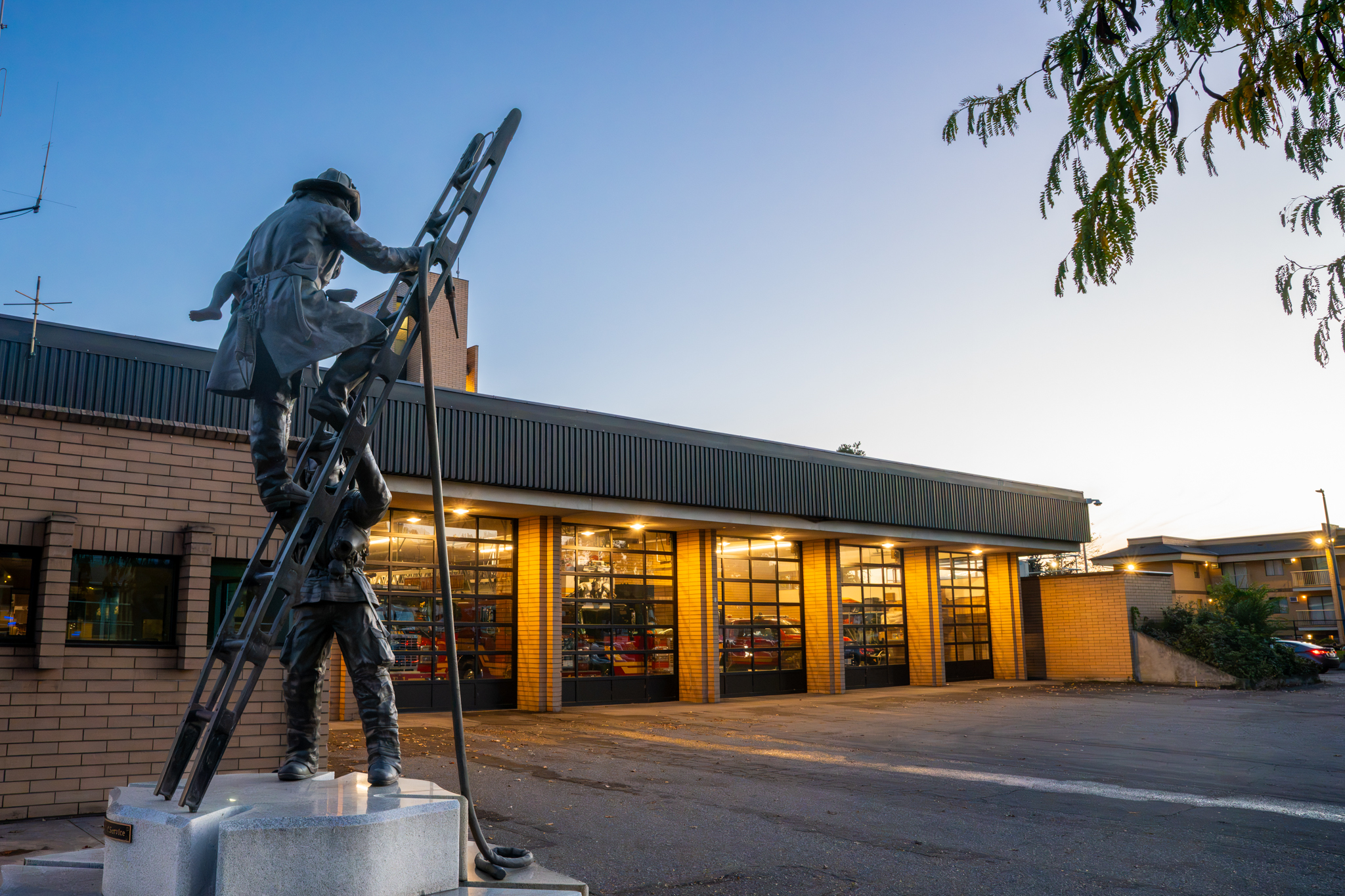
For the Governor General, Louise Arbour, who also spoke in Gander, the values of compassion, generosity and solidarity that guided the Canadian response in September 2001 must also guide Canadians today.4 The 25th anniversary of 9/11 came just three weeks after trade negotiations fell apart, with Trump subsequently unleashing 50% tariffs on billions of dollars worth of Canadian products on August 22. At a news conference on the same day, Prime Minister Mark Carney claimed U.S. negotiators had demanded restrictions on Canada’s ability to make trade deals with other countries and had complained about Canada’s protection of the French language and culture.
Chrétien addressed the current U.S. tensions during his impassioned speech in Gander. He repeatedly referred to Americans as ‘friends,’ drawing on the Canadian response to 9/11 to reinforce the shared history, values and long-lasting relationship between the two countries.
The speech followed a short address by the U.S. Ambassador to Canada, Pete Hoekstra. His remarks reflected on the events of 9/11 and thanked the people of Gander for their kindness, but he did not address the ongoing trade war or uneasy relations between Canada and the U.S.4
However, the former Prime Minister, known for being blunt, did not hold back from bringing politics into the commemorative service. Chrétien stated his pride in the response to 9/11 in Gander and elsewhere in Canada, reinforcing the Governor General’s earlier comments about Canadian values. He then directly addressed the United States:
“I have a message for our American friends: Yes, Canada is a generous, open country, and Canadians are tolerant and kind. But never mistake our generosity for weakness.”4
Chrétien further alluded to the changing relationship between Canada and its southern neighbour, especially in light of President Trump’s repeated threats to Canadian sovereignty.
“We embrace our friends, and we help them in their moment of need. But we bow to no one. And the more we are insulted, or threatened, and abused, the more we will stand up for ourselves and stand united. And I say that not in anger, but as one friend to another. Friends need to be honest with each other.”4
Canadians demonstrated their strong support for Chrétien’s sentiments, interrupting with thunderous applause on several occasions. The positive reception to the rallying cry, in Gander and across the country, reinforces the popular support for the Carney government’s ‘Canada first’ approach to foreign policy in time for the resumption of Parliament on September 21. Whether Canadians continue to support this approach remains to be seen.