Before the school year began, the Student Union Organization (SUO) found itself embroiled in controversy after announcing the lineup for the eagerly awaited Takeoff concert. Scheduled to take place on September 18, the concert promised to showcase a mix of student performers alongside artists Felix Cartel, Twenty-Three, and Waka Flocka Flame.
The announcement, however, drew criticism from many students after an interview by the Phoenix News brought attention to Waka Flocka Flame’s political views. While the SUO is a non-partisan organization and stated that its decisions are not based on political affiliations, some students took issue with the use of student funds being used to bring an American performer with controversial views to campus.
This situation quickly extended beyond the concert itself, with students sparking heated discussions on the SUO’s Instagram and the UBCO subreddit about how decisions are made, how student funds are allocated, and how the organization represents the student body.
The SUO initially addressed the situation and stated that Takeoff would proceed as planned. However, one day before the concert, they announced that the concert would be postponed due to a mutual agreement between the SUO and Waka Flocka Flame’s representatives. The SUO assured students that any funds allocated for hosting the artist would be returned to the organization. Additionally, it was announced that another performer, Twenty-Three, was unable to attend due to “personal circumstances,” which also contributed to the postponement of Takeoff.
While they stated in their post that they are “working to finalize a new date and a new headliner,” the SUO released another statement on September 22 sharing that their attempts were unsuccessful and that Takeoff would ultimately be cancelled. In the same post, they guaranteed full refunds to ticket holders and told students that they hope to bring back the concert at a later date.
Within their message, the SUO acknowledged the controversy and pledged to “use [it] to strengthen the planning and delivery of future SUO events.”
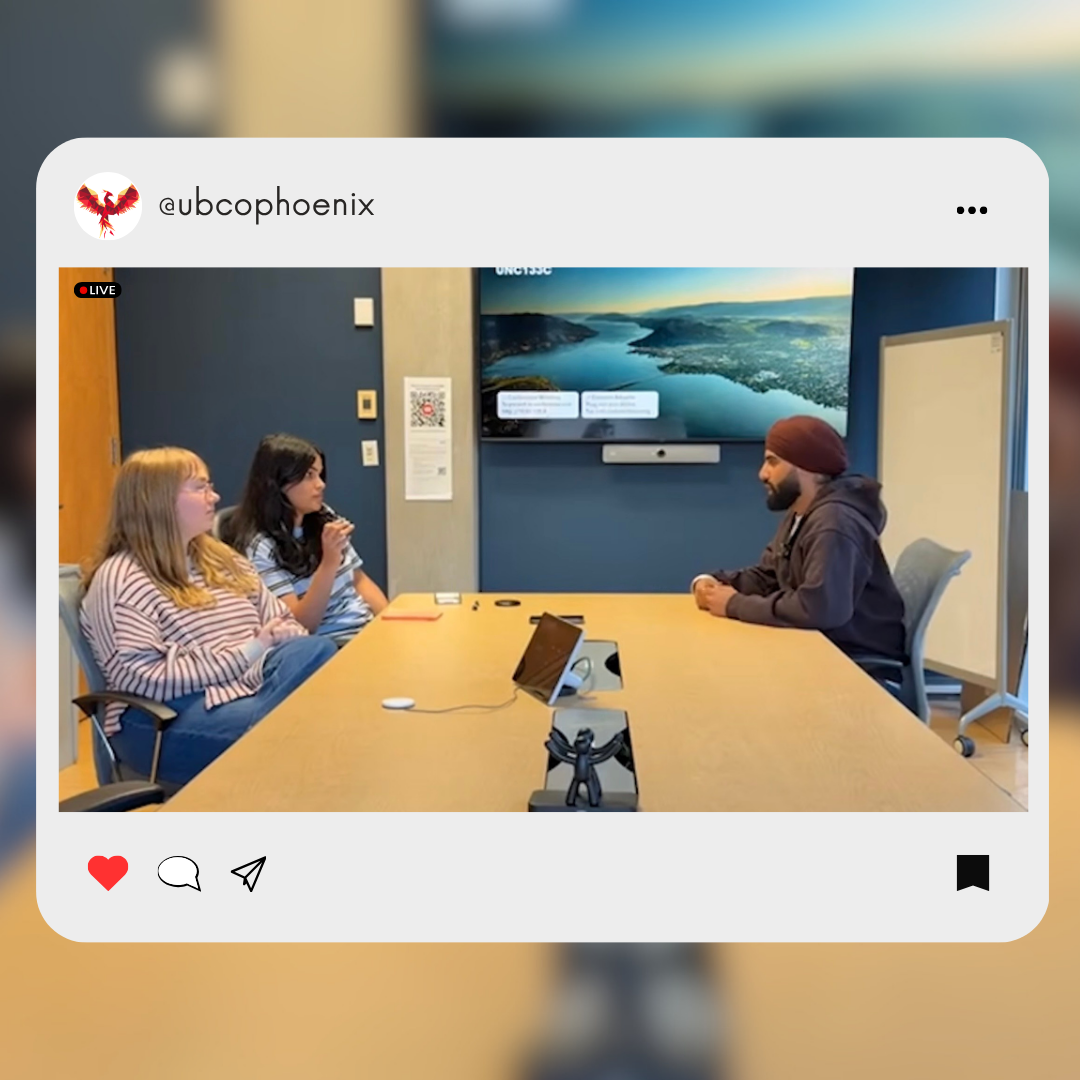
Although the events and eventual cancellation surrounding Takeoff have left students disappointed in a variety of ways, this situation has prompted broader questions about the relationship between the SUO and the students it represents. To better understand those concerns, I spoke with students about what they feel is missing from campus, whether they feel represented by the SUO, how well they understand the organization's decision-making processes, and what they would like to see from the SUO during the coming school year.
When asked about what they feel UBCO is lacking, students provided a wide array of answers. Many pointed to the lack of a strong school culture and adequate campus facilities. One student expressed he was particularly disappointed by the limited recreation facilities available on campus, suggesting that having a “rock wall or a skate park” could foster more opportunities for community engagement.
Another student, who wished to remain anonymous, identified a lack of a connection “between students and the people making decisions on their behalf.”
Other common responses focused on a need for more study spaces and a greater variety of courses. Daniel, a psychology major, noted that he would like to see more classes focusing on niche topics within the humanities, social sciences, and arts, as well as more classes focused on religious studies.
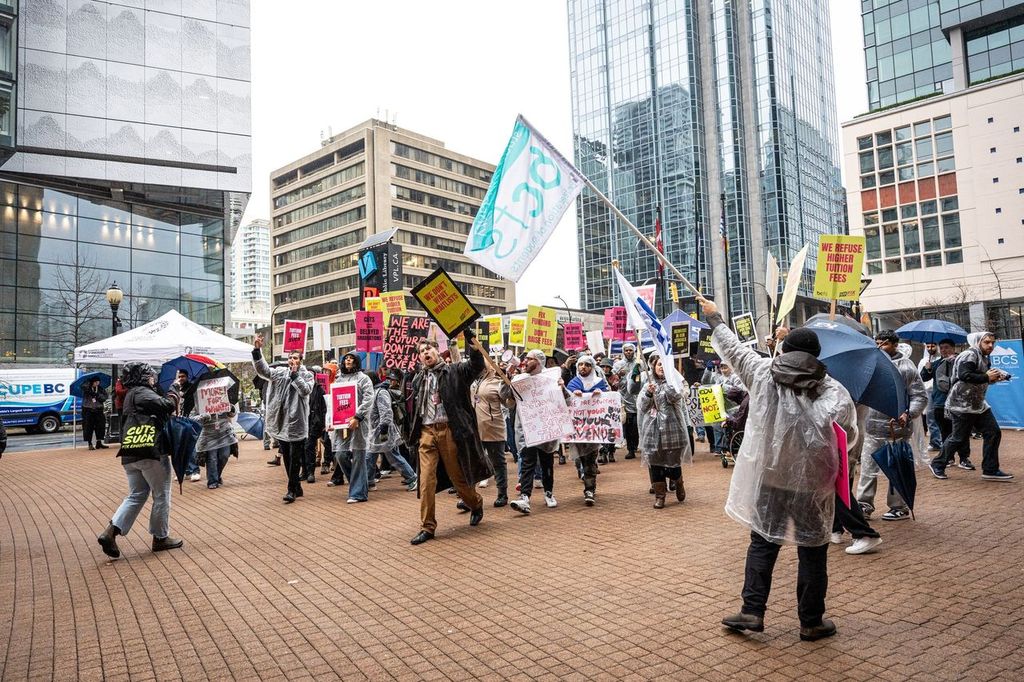
While the SUO has actively advocated for various issues on behalf of students, including the continuation of UPASS and the community meal program, several students interviewed expressed concerns about whether they feel their voices are being heard by the SUO. This concern was particularly present among students from minority groups, with several respondents saying that they do not feel their POC or queer identities are sufficiently represented or advocated for by the SUO.
The decision to invite Waka Flocka Flame to perform on campus was cited by multiple students as an example of this. While many acknowledged the SUO’s eventual decision to cancel his performance, they said the situation raised questions about the organization's decision-making and consideration of different student communities.
One student remarked that the initial response from the SUO made her question “whether minority students [are] being adequately considered in decision-making.” Mireille, a nursing student, similarly raised concerns about the SUO’s approach to inclusivity. She said that she does not believe the SUO has a clear understanding of the diversity of its student body, particularly given that a significant portion of students identify as queer. In her view, the decision to invite an artist who has expressed homophobic and transphobic views underscores a larger problem within the SUO about how inclusivity is considered when making decisions.
Issues in representation were also raised in relation to different academic programs. A fourth-year engineering student pointed to a difference in representation among facilities within the SUO, saying that “engineers gravitate to the engineering society which limits [their] representation.”
Across the interviewees, a common feeling of disconnect between students and the SUO was evident. When asked whether they felt they could easily find information about how the SUO operates and makes decisions, one student expressed that she does not believe “the average student has a clear understanding of how the [SUO] operates or how decisions are made.” While she acknowledged that information is available on their official website, “it is not always easy to find or understand.”
Amy, a third-year English major, noted that information about the SUO, including its constitution, bylaws, and mission statements, is “easily accessible” on their website; however, she felt that the organization’s “mission and values” are unclear. Several other interviewees also expressed a desire for increased transparency regarding the SUO’s decision-making processes and initiatives.
The issue of accessibility also extends beyond the information available on their website. Mireille shared that, following the controversy with Takeoff, she faced challenges in voicing her concerns with the SUO. Although the members hold office hours where students can drop in and speak with them, she pointed out that these have the potential to be problematic due to scheduling conflicts and the reality that students often do not have the time to visit in person when balancing school, work, and personal responsibilities.
She suggested that the SUO could make communication more accessible by increasing its presence on social media platforms, where students are more likely to see information and engage with it.
With a new school year underway and a largely new board of directors, students were asked what they would like the SUO to prioritize this year. Interviewees identified several issues, ranging from affordability and campus activities to accessibility and community building.
According to the SUO’s value statement, one of its primary functions is to advocate on behalf of students and their wishes. For many students interviewed, affordability was an important part of that role. Several respondents expressed interest in greater attention to the pantry and community meals program. One student praised these initiatives, saying that "they help students especially when the price of groceries grows." He also appreciated the continued availability of UPASS, which provides students with significantly discounted access to public transit. At the same time, he said he was less interested in the parties hosted by the SUO, suggesting that the money could instead support clubs and events that "build community in a much healthier way."
The Takeoff situation also influenced some students’ suggestions for future events. Daniel said he would like the SUO to improve its process for "investigating the artists they would like to have perform before they announce events." While he appreciated the eventual decision to remove Waka Flocka Flame from the lineup, he said he was disappointed by what he viewed as a lack of research before the artist was announced.
Daniel further advocated for more student-wide activities such as the “return of the year-end carnival, campus-wide food stands [and] more mini concerts.”
In addition to campus activities, students expressed a desire for increased focus on affordability, mental health, and accessibility on campus. Mireille stated that in her opinion, “the campus does not have the best inclusivity” and has personally heard peers question if campus is safe for them. Although she acknowledged the number of campus clubs that provide spaces for students from different backgrounds and identities to find a welcoming and like-minded community, she said she would like to see the SUO demonstrate inclusivity more clearly through its board and its decisions.
One student particularly pointed to wanting “better accessibility resources.” She shared that in one of her classes this semester, the textbook is not available online, thus leaving some of her fellow students who rely on text-to-speech tools without an alternative. Ultimately, these students had to pay for “an outdated version of the text[book], and they had to pay out of pocket to [access text-to-speech].” In her opinion, it is unfair that students with disabilities should be forced to pay for resources that enable them to simply partake in their courses.
Another recurring issue across the interviews was the use of student fees, the SUO's financial priorities, and the organization's operations.
Reflecting on an interview conducted by The Phoenix News with the VP Campus Life, Guransh Sandhu, one student expressed concern about the lack of information available about the budget for Takeoff. Mireille similarly raised concerns about the timing of the SUO's financial reporting. She noted that because the organization's financial budget is released a year later, students may have difficulty understanding how their money is being spent while the elected representatives responsible for those decisions are still in office.
One student said she would like to see "total transparency about the decision-making that occurs within the same academic year the current elected SUO representatives operate in." While students expressed a range of concerns and offered suggestions for how the organization could better serve the student body, they also clearly identified several initiatives and programs from the SUO that they value. The SUO's response to the Takeoff controversy, including its commitment to use the experience to strengthen the planning and delivery of future events, suggests a willingness to respond to student concerns.
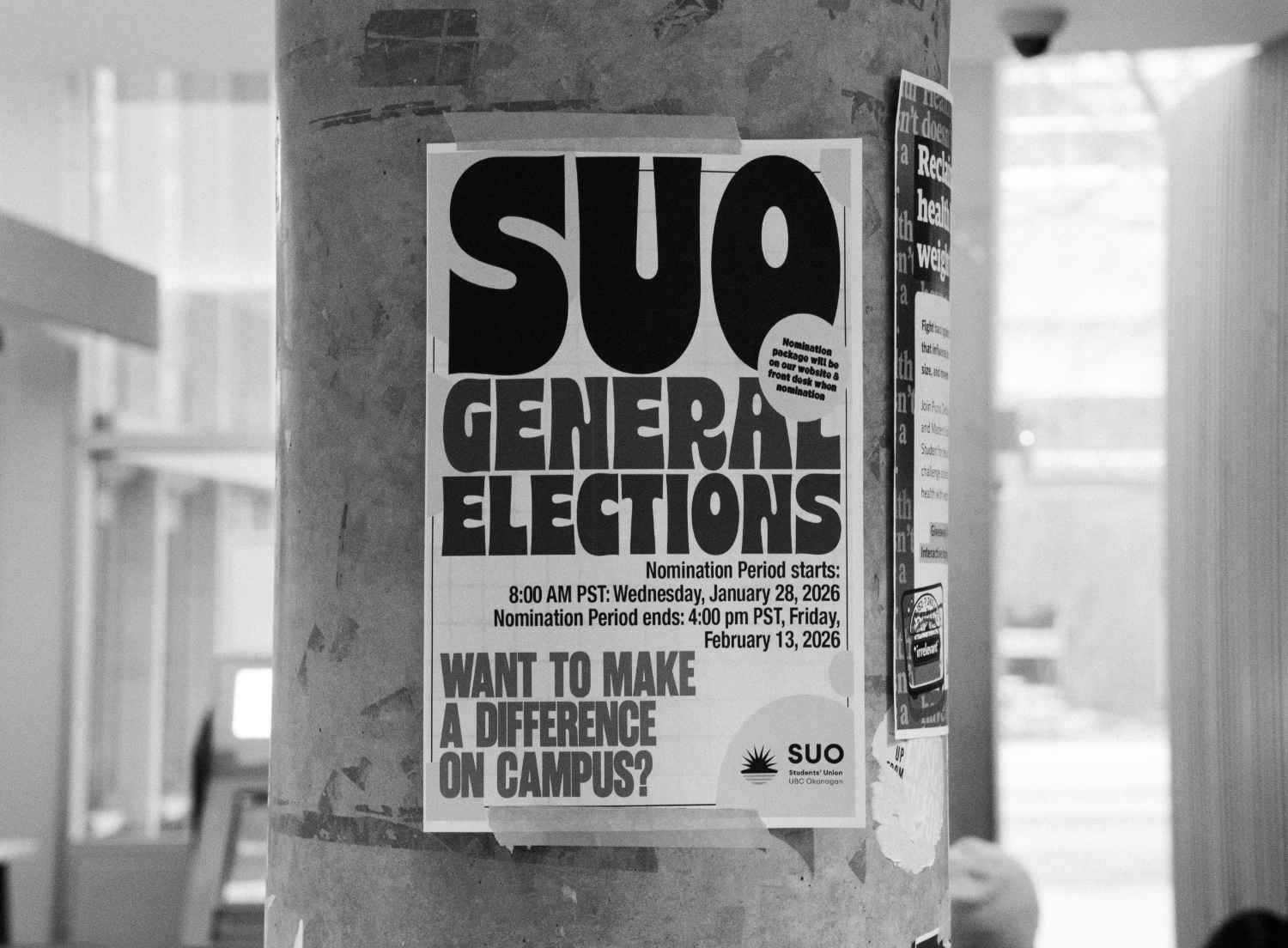
Going forward, the coming year presents an opportunity for the SUO to continue building its relationship with students. For many of those interviewed that relationship involves more than campus concerts. It means having accessible channels for communication, understanding how decisions are made, and having confidence that student concerns are being considered when those decisions are made. Furthermore, students would like to see more advocacy for issues that directly impact them, such as inclusivity and food insecurity.
The priorities students identified are varied, and there may not be a single approach that satisfies everyone. However, continued communication between the SUO and the students it represents could help bridge some of the disconnect identified throughout these interviews. As the school year progresses, how the SUO responds to these concerns will help shape its relationship with the student body.